
CURATORIAL REVIEW | July 07, 2026.
MEMBRANES
Where Boundaries Become Permeable
Curatorial Review by Laura Acosta
There are exhibitions that unfold through certainty, and others that reveal themselves slowly, like a landscape appearing through mist.
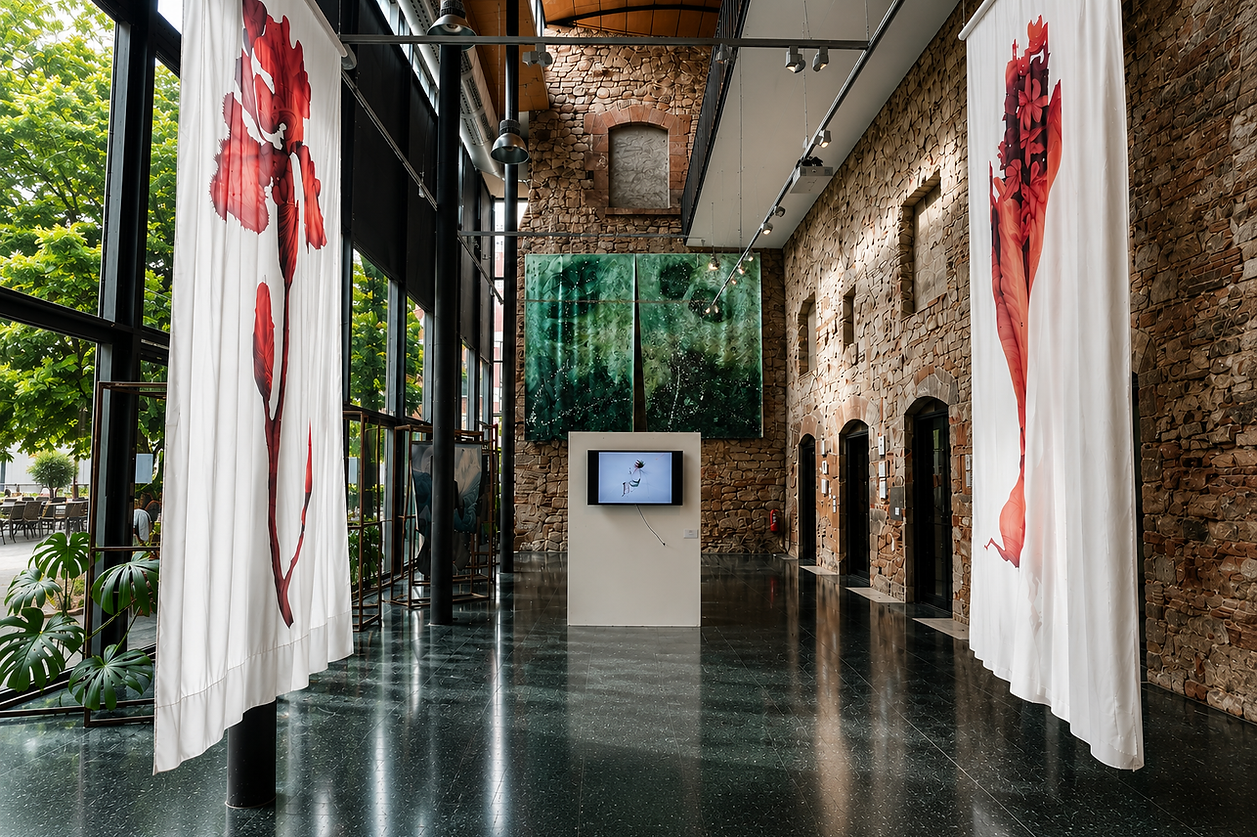
Membranes, bringing together the work of German artists Reiner Heidorn and Katrin Bittl, feels closer to the latter. Installed within the luminous architecture of the Convent de Sant Agustí in Barcelona and curated by Irina Cheremisova, the exhibition unfolds less as a dialogue between two distinct practices than as a slow encounter between different forms of becoming. Nothing here feels fixed. Images appear, dissolve, overlap, and breathe. Matter itself seems to retain traces of movement, as though remembering that it was once fluid.
Walking through the space, one becomes aware that these works resist immediate definition. They ask for a different rhythm of attention. The exhibition reveals itself gradually, through surfaces, transparencies, textures, fragments, and silences that slowly begin to resonate with one another. Rather than presenting isolated objects, it creates a condition—a quiet ecosystem where materials, memories, and perceptions coexist.
"Membranes"—Reiner Heidorn & Katrin Blttl. DOM Art Residence.
"Membranes"—Reiner Heidorn & Katrin Blttl. DOM Art Residence.
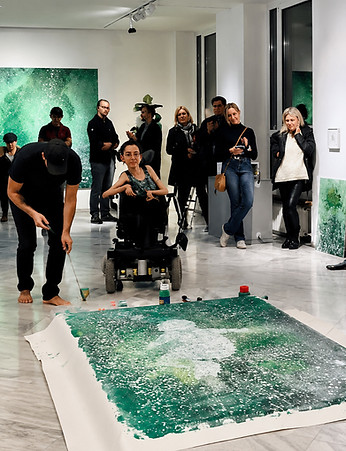
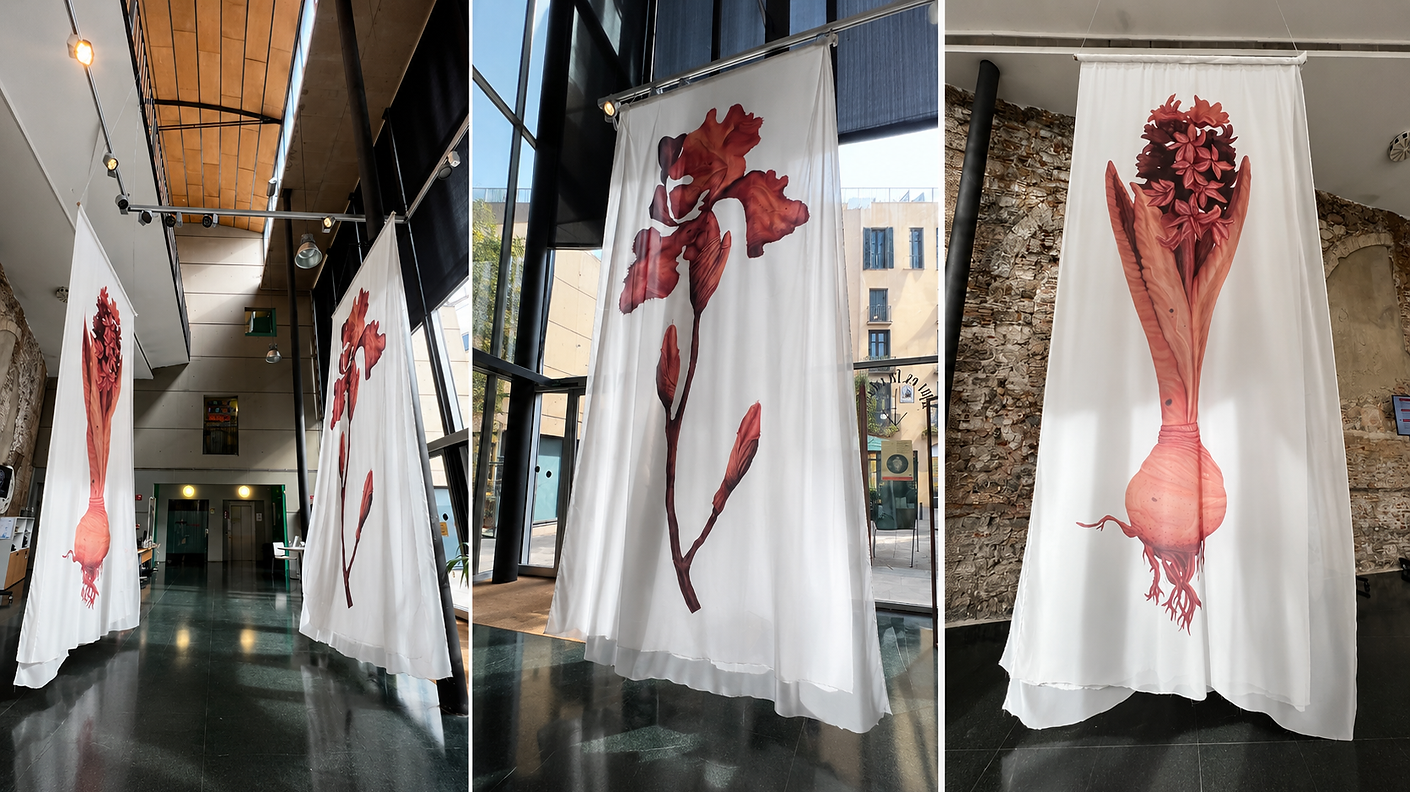
The architecture itself becomes an active presence. Ancient stone walls coexist with large windows that flood the rooms with changing daylight. Suspended textiles move almost imperceptibly. Monumental green paintings occupy entire walls like openings into another scale of perception. Small graphite drawings appear discreetly among the rough surfaces of the building, as if fragments of memory had become absorbed into its structure. Rather than simply containing the works, the space embraces them.
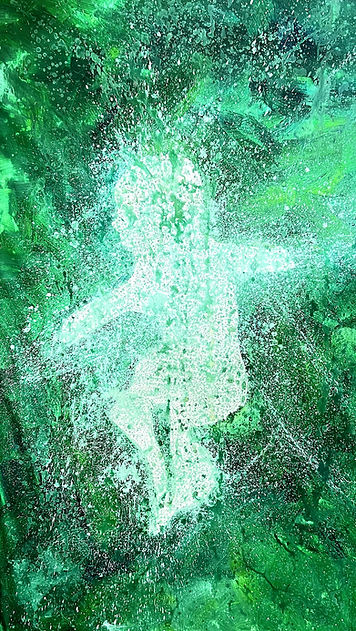
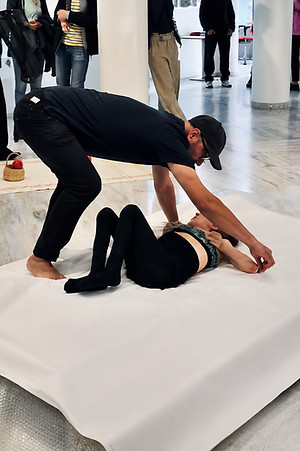
Reiner Heidorn’s practice operates through immersion. His paintings resist the traditional distance between viewer and image. They do not describe nature in any literal sense. Instead, they evoke processes that seem to exist beneath visibility itself. Dense layers, organic textures, and expansive chromatic fields suggest a world in constant transformation. Looking at these paintings, one has the sensation of entering a territory where scale becomes unstable, where microscopic structures expand into landscapes and where light appears suspended within matter.
Reiner Heidorn. "Shelter parts I". Oli i llana sobre tela.
Reiner Heidorn. "Shelter parts II". Oli i llana sobre tela.
Reiner Heidorn. "Shelter parts III". Oli i llana sobre tela.
"Membranes"—Reiner Heidorn & Katrin Blttl.
There is a remarkable slowness in these surfaces. Their atmospheres unfold gradually, allowing the eye to wander between transparency and density, between depth and dissolution. Green ceases to function merely as colour and becomes something more elusive—a sensation of growth, humidity, and silent movement. The works seem less concerned with depicting nature than with inhabiting its rhythms, revealing processes that continue far beyond the boundaries of the canvas.
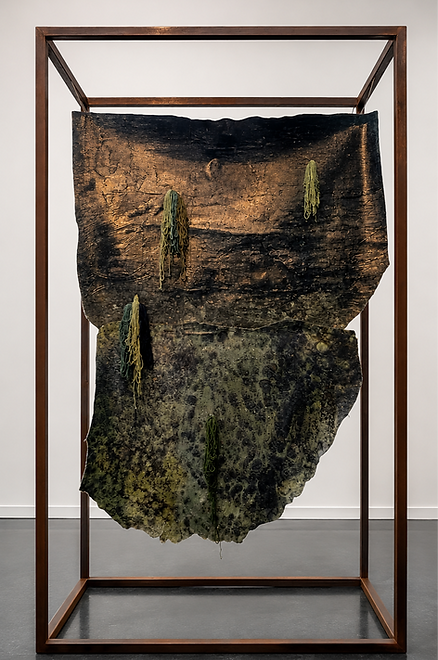
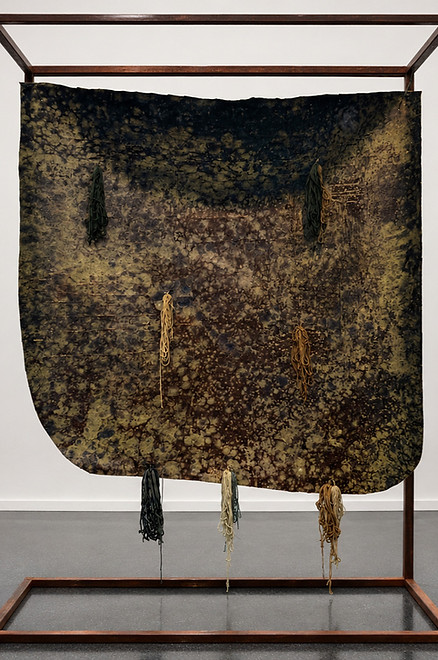
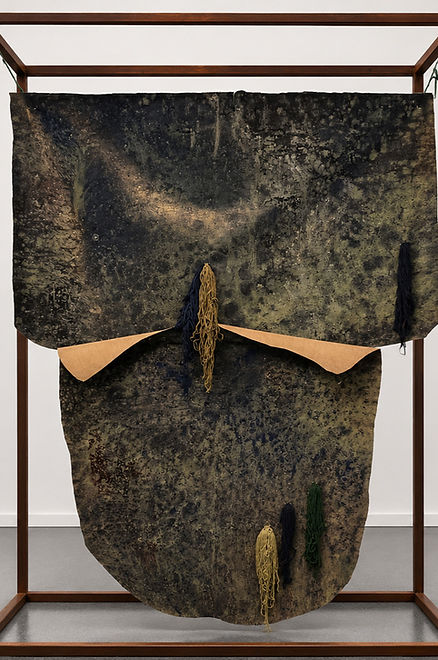
Katrin Bittl approaches fragility from another direction. Her suspended fabrics occupy the space with extraordinary lightness. Hanging freely within wooden structures, they resemble skins, traces, or delicate remnants shaped by time and transformation. Their irregular contours and loose threads speak quietly of vulnerability and impermanence. Nothing is hidden or perfected. Instead, the works embrace their own material condition, allowing incompleteness to become part of their beauty.
"Membranes"—Reiner Heidorn & Katrin Blttl.
"Membranes"—Reiner Heidorn & Katrin Blttl. DOM Art Residence.
Elsewhere, intimate graphite drawings appear almost unnoticed against the stone walls. Human figures, botanical forms, and fragments of memory emerge softly from the paper. Unlike the monumental presence of Heidorn’s paintings, these works require closeness. They invite a more intimate kind of looking, one based on attention rather than scale. Their modest dimensions create a beautiful counterpoint to the expansiveness surrounding them, reminding us that some experiences reveal themselves only through proximity.
What ultimately emerges throughout Membranes is not a contrast between two artistic languages, but a shared sensitivity towards processes that resist fixed definitions. Nothing here feels complete or final. Both artists seem less interested in permanence than in transformation itself, allowing images and materials to remain open, unfinished, and constantly becoming.
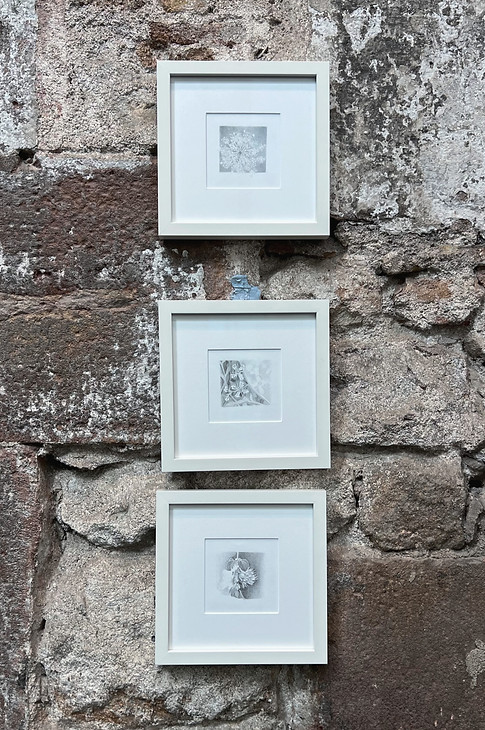
Katrin Blttl Works.
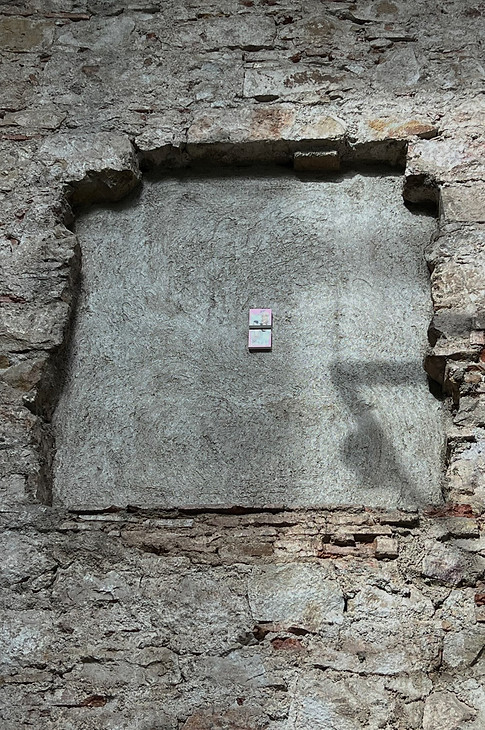
Katrin Blttl Works.
Moving through the exhibition, the eye continuously shifts between scales and rhythms. Monumental surfaces give way to intimate drawings. Light passes through suspended fabrics. Ancient walls become part of the works themselves. Meaning does not arrive all at once, but slowly, through movement, proximity, and attention.
Long after leaving the exhibition, what remains is not a singular image or a clearly defined message, but the memory of having inhabited a place where things were allowed to remain unresolved. A place where matter, memory, and perception seemed to coexist with remarkable delicacy, reminding us that some of the deepest connections are often the ones that remain invisible.
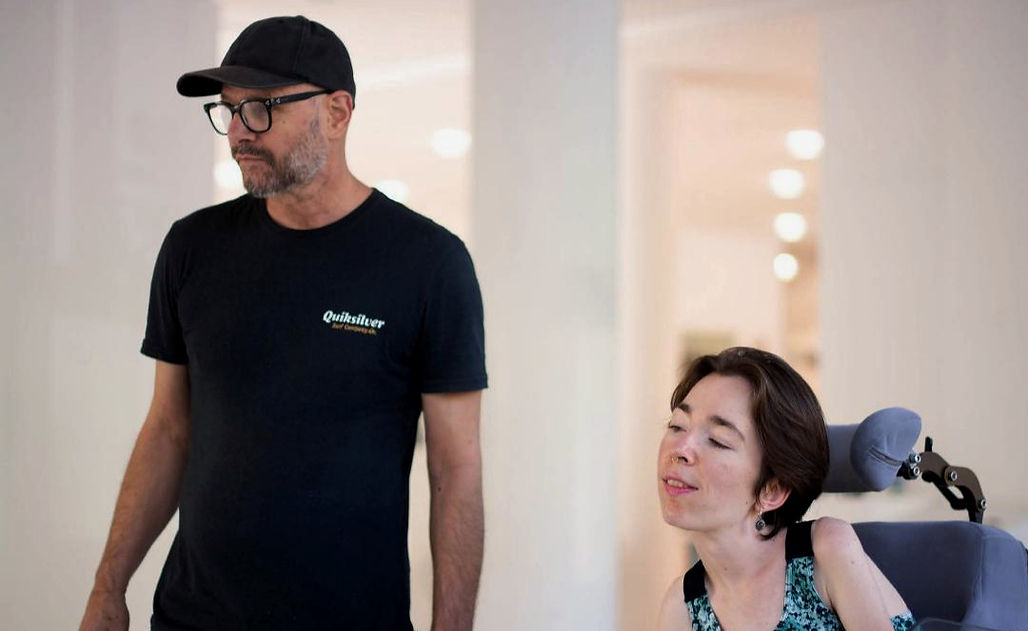
Reiner Heidorn & Katrin Blttl.
Exhibition: Membranes
Artist: Reiner Heidorn & Katrin Blttl
Venue: Centre Cívic. Convent de Sant Agustí.
Location: Barcelona, Spain
Dates: 26 June – 4 July 2026
Curator: Irina Cheremisova
Karen Shahar (HALAS), Infinity Unfolds. Challah as ritual, memory, and sacred gesture.
—Laura Acosta
Curator & Creative Director, Arttyco
Written in Barcelona, June 2026
✉ info@arttyco.com | 🌐 www.arttyco.com | IG: @arttyco
Laura Acosta, Curator and Creative Director at Arttyco, combines her background in architecture, interior design, and cultural management to create accessible and engaging contemporary art experiences. Her multidisciplinary approach emphasizes spatial awareness and deep audience connection.
Photographic fragments stitched into a sculptural body of memory and multiplicity.
The central structure anchoring the exhibition with visual and conceptual gravity.
