ARTTYCO TALKS
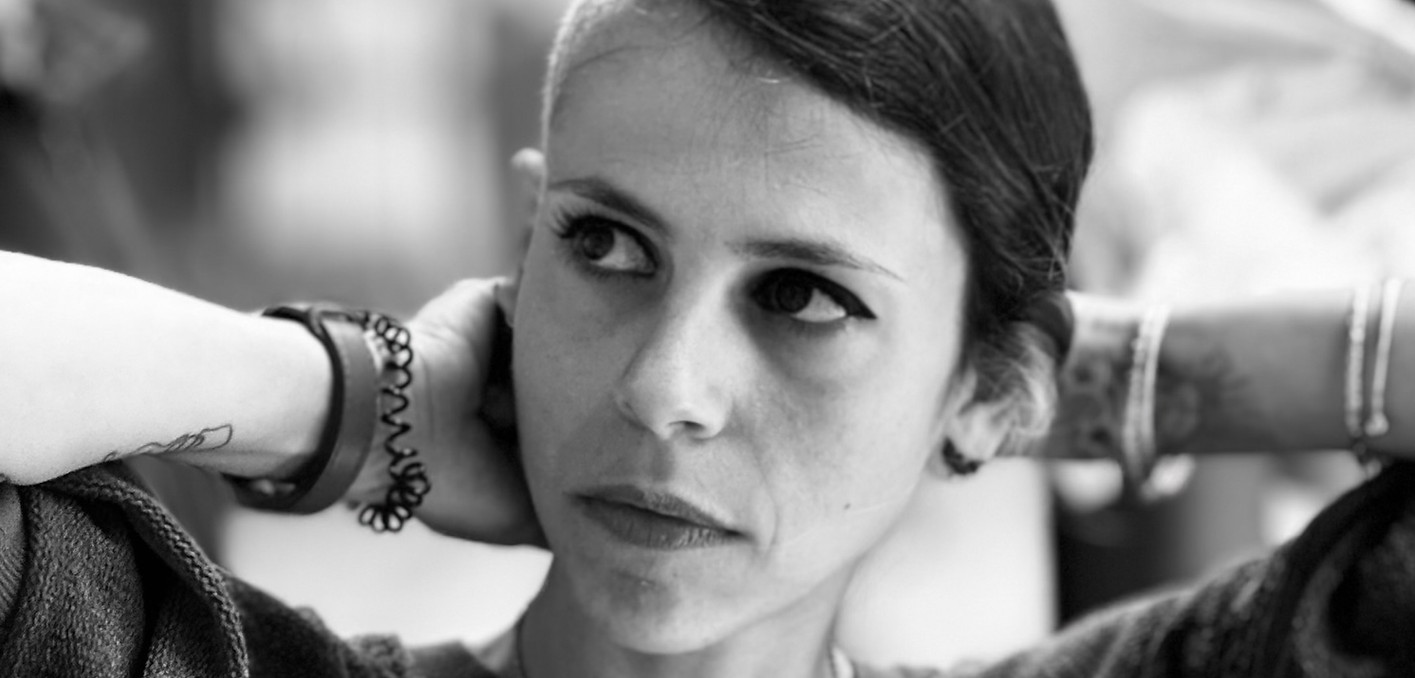
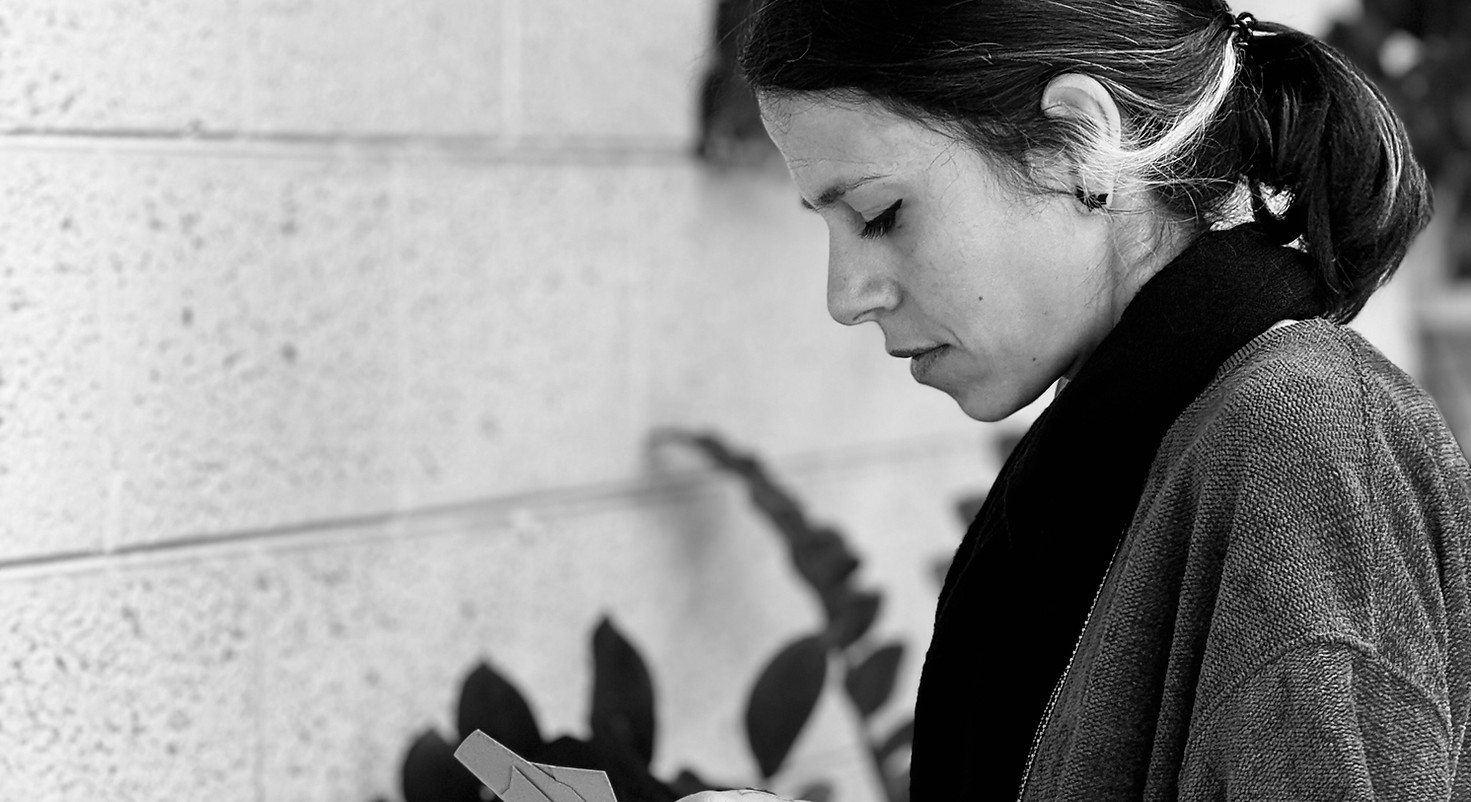
Danielle invites us to experience creation as a spiritual process—where personal identity dissolves into collective memory, trust, and transformation.
ARTTYCO TALKS | July 20, 2025
EPISODE #4: DANIELLE MANO - BELLA
1. You often incorporate biochemical and organic materials in your work—materials that live, decay, or transform. What draws you to work with substances that are so inherently unstable?
D: A few years ago, I had the opportunity to collaborate with a startup that focuses on developing biochemical materials for medical purposes. Prior to that, I was engaged in research involving human subjects, working with individuals from various communities conducting research on living matter, human material, which is fundamentally variable and unstable, much like social systems; thus, the human body is also dynamic. From the study of the human and social body, I began to take an interest in living and growing bodies in other forms of life in nature—seeking to find how those human traits are reflected in other biological materials that are not necessarily human. The development process of these techniques and the work with innovative biochemical materials allows me to reflect these studies in artistic creation in a relatively simple manner. It reflects how everything around us and within us operates as a system interconnected, regardless of the differences between the species and types of life or plants Life.

Close-up of sculpted hands — gestures of intimacy, memory, and pressure.
2. There’s a quiet, intimate quality in the way you handle scale and texture. How important is it for you that viewers experience your work up close—or even viscerally?
D: I believe that in the works I develop, there is a need to experience the creation both up close and from a distance in order to truly connect with all its layers. I always strive to create from a perspective that pays attention to the small details like every crack, tear, or scar in the material while also looking at and emphasizing the bigger picture; every small detail contributes to the work. I draw this process from the same perspective of understanding the emotional, conscious, and environmental body. From a distance, we may not always notice everything, but on the other hand, without distant observation, it’s not always possible to see the bigger picture. Yet, there is a need for the boldness and depth found only in the larger details to truly recognize the bigger picture or a broader perspective. I try to convey this same experience in my works.


3. There’s a recurring sense of ritual and transformation in your practice. Is there a spiritual or symbolic layer to your process that you feel comfortable speaking about?
D: I feel that spiritual and conscious development is an inseparable part of creation in general. I believe that as artists and creators, this is the place where we separate from the perception of the "self" by Ego and encounter the dimension that connects us to the flow of something greater than ourselves. Specifically, in my works, I feel that when I am in the process, I do not cling to any notion of right or wrong, but rather allow the process to sweep me into a place of discovery. It is only through experimentation and by allowing myself to release everything I think or feel that I can create something new and uncover it. It is about allowing things to pass and happen without trying to control them, which is a spiritual process in itself trusting completely in the journey without attempting to dominate, but rather enabling things to unfold and be constructed through experimentation and learning. Just like any creation of life, so too in the creation of art.

4. Your materials often shift over time: they erode, grow, mutate. Do you see your artworks as complete when you finish them—or are they alive, in a constant state of becoming?
D: I love that question. I don't see anything in the universe as perfect; I see things as whole, and that wholeness exists only through surrendering to the dynamic and ever-changing movement, as something uncontrollable, even an attempt to use artificial means to prevent it. Everything will always continue to undergo processes of change accepting this leads to what I perceive as completeness.


5. In what ways does your practice question how identity is constructed, either individually or collectively?
D: The journey of my creation always encounters the dissolution of personal identity, the narrative of personal stories, and from that, the collective. I believe, as I mentioned regarding spiritual practice, that creating art is part of a journey that is always perceived as personal from a first-person perspective, but in my view, it is also completely impersonal because it always reflects, in one way or another, in others; it meets them somewhere and connects with them, even if it is not the same story we have experienced. This is the experience that connects us, whether emotionally or consciously. We are not that different from others, not different at all; the question is whether we are willing to recognize that.